A lovely place to enjoy a delicious lunch or fika. You order at the bar and get a buzzer to pick up your food when ready. Several vegetarian and vegan options available. Seating options inside and outside. Would recommand sitting outside in the beautiful garden Boutique with an extensive collection of clothes, gifts and home decoration. As touristst, we couldn't bring any of the plants home with us, but the garden section has an amazing collection of plants and equipement for the gardener. Great place to get inspired!
Overview
Walking into Tant Grön for the first time felt less like entering a restaurant and more like being invited into someone’s thoughtfully run country kitchen. The diner sits quietly at Västra TOMTA 324, 719 32 Vintrosa, Sweden, surrounded by open land that instantly sets expectations for food that’s seasonal, grounded, and made with care. I stopped by on a late summer afternoon after a long drive, and within minutes it was clear why locals keep recommending this place in casual conversations and online reviews alike.
The menu leans heavily on fresh produce, much of it locally sourced, which aligns with what the Swedish Food Agency has long emphasized about balanced eating and sustainability. Studies published by Nordic nutrition councils consistently show that diets rich in vegetables, whole grains, and minimally processed ingredients contribute to long-term health, and you can see that philosophy quietly at work here. Instead of overwhelming choices, the menu focuses on a small but confident lineup of dishes that change with the seasons. One regular told me she comes back every few weeks because there’s always something new, yet familiar.
During my visit, I ordered what the server casually called the house favorite, a vegetable-forward lunch plate built around roasted root vegetables, grains, and a light herb dressing. Watching the kitchen work was interesting in itself. Ingredients were prepped in small batches, sauces tasted before serving, and nothing felt rushed. That kind of process mirrors what many culinary schools in Scandinavia teach: fewer elements, more attention to technique. It’s a method often praised by chefs like Magnus Nilsson in interviews about modern Nordic food culture, even if this diner keeps things far more informal.
What stood out most was how approachable everything felt. The staff explained dishes in plain language, never assuming you already knew what was on the plate. When I asked about sourcing, they openly shared that not every ingredient can be local year-round, especially during winter months. That honesty builds trust, and it’s refreshing to hear a restaurant acknowledge the realities of Swedish seasons rather than gloss over them.
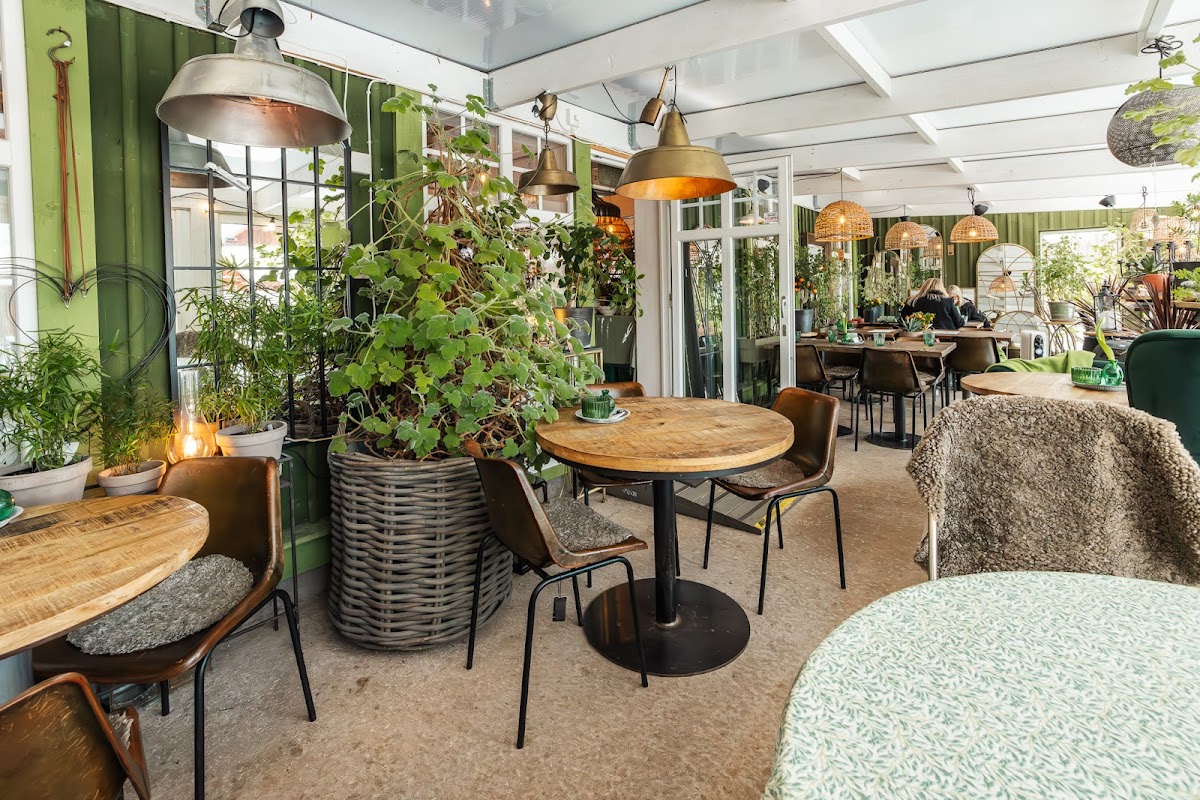
Reviews often mention the cozy atmosphere, and that’s accurate. Wooden tables, simple décor, and natural light make it easy to linger. I noticed a couple nearby splitting desserts and discussing which one they’d try next time, which says a lot. Desserts here aren’t overly sweet; they follow the same restrained style as the rest of the menu. My choice, described by the server as simple but comforting, paired perfectly with a strong cup of coffee.
From an experience standpoint, this place works because it knows exactly what it is. It’s not trying to be a fine-dining destination or a trendy café. Instead, it functions as a reliable neighborhood diner with a clear point of view. According to customer feedback shared on regional food forums, many guests appreciate that consistency. They know what to expect in terms of quality, portion size, and service, and that reliability is often what keeps a restaurant alive long-term.
There are some limitations worth mentioning. If you’re looking for an extensive meat-heavy menu or late-night dining, this may not be the right fit. Opening hours can be shorter than city restaurants, and the menu won’t cater to every preference. Still, those boundaries feel intentional rather than restrictive, shaped by the location and the values behind the kitchen.
Overall, the combination of thoughtful cooking, transparent processes, and a welcoming setting makes this diner stand out in Vintrosa. It’s the kind of place where the food tells you exactly where you are, both geographically and culturally, without ever needing to say it out loud.
Good to know
From the business
✓ Identifies as women-ownedService options
✓ Delivery ✓ Takeaway ✓ Dine-inAccessibility
✓ Wheelchair-accessible car park ✓ Wheelchair-accessible entranceAmenities
✓ Gender-neutral toiletsPayments
✓ Credit cards ✓ Debit cards ✓ NFC mobile payments ✓ Credit cardsParking
✓ Free of charge street parking ✓ Free parking lotPhotos
1 / 4
Location
Reviews
- No ratings yet 1363 reviews
The pear pie has an authentic taste of pears and is so fresh, and I really liked their chokladboll.. They also sell really nice linen garments and other stuff. It deserves a visit. But it takes quite a drive to get there. Or it's just me!!
Very cosy with a variety of beautiful flora. There was one vegan alternative for fika. The staff will cook a vegan lunch if you ring them beforehand. Awesome place!
What's better then wandering around among flowers and fruit trees/bushes and just looking? A big plus is the coffee shop with it's "Slabang"
Fresh, flavourful and interesting food in a relaxed setting. We love to visit for weekend lunch.
Nice Café, well assorted plants,seeds, and ancillary gardening stuff.
Loved it! The food is delicious and the place is so cozy.